Magic 101: Honor and Respect
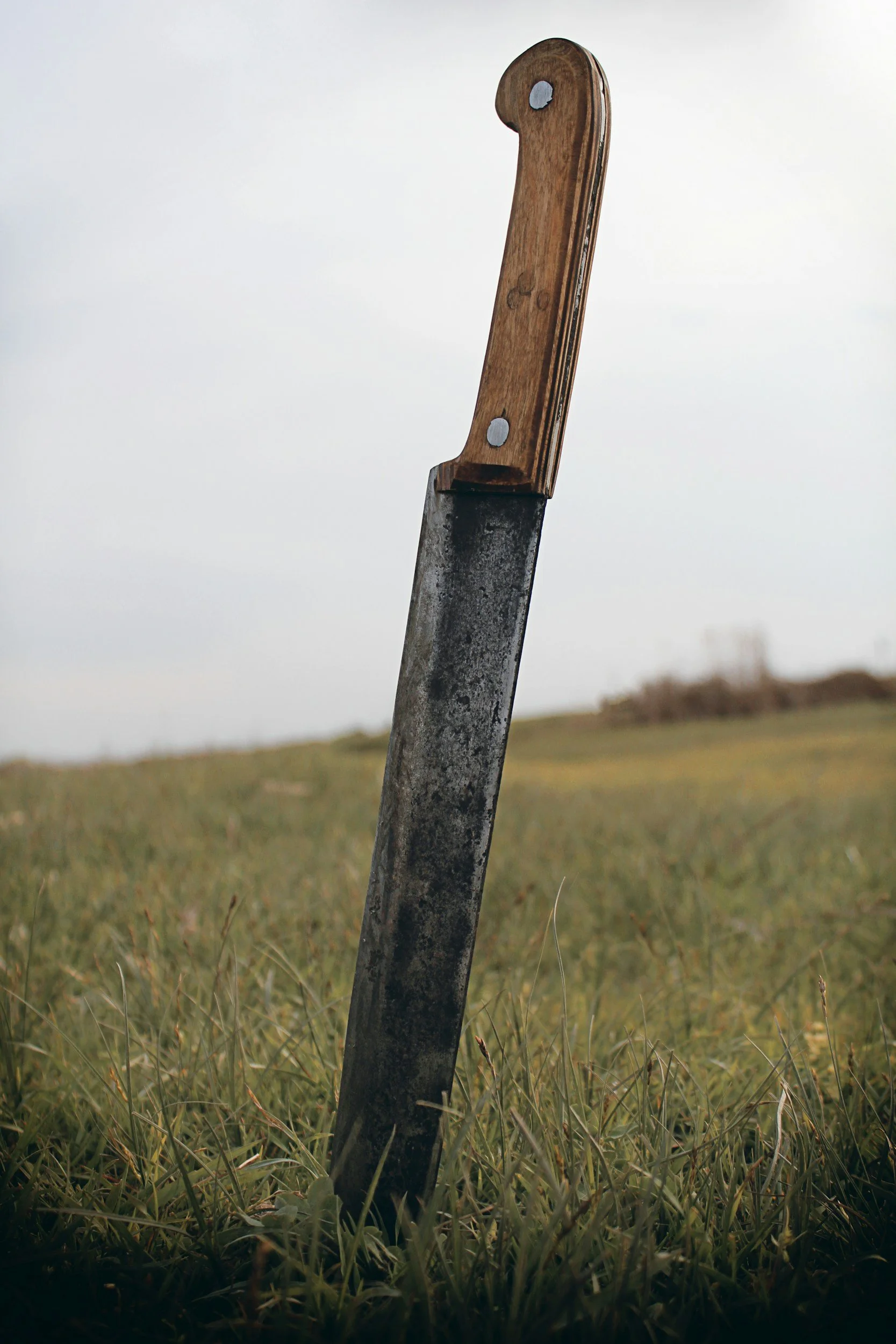
The phrase “honor and respect” carries a lot of weight in vodou, and almost none in societies outside vodou, excluding various warrior societies associated with the military and some of the ATRs (African Traditional Religions.) Honor means almost nothing to most people here in the US—at best, it refers to deferring to institutions. Respect merely refers, in most cases, to being polite.
Neither of those definitions has a damn thing to do with the meaning of those words.
In vodou, honor and respect describe a relationship you have with yourself which is affirmed through your society. They refer to a pattern of thought, behavior, choices, and goals in which you choose alignment with the divine even over your own comfort, well being, and life.
You see yourself making the necessary sacrifices, and you learn that you are capable of keeping your word. You learn you are capable of sacrifice and achieving goals. You understand yourself to be clear in your dealing with others, and clear in your intent and behavior. And when you understand yourself that way, it is much harder for the world around you to convince you of anything else, no matter what it throws at you.
You know what you are. You are rooted, grounded, and while the world might make you bend, it cannot break you. This state will be visible, where people are paying attention. A relationship with yourself becomes a relationship with your society/house/temple.
What we call honor and respect isn’t going to make that much sense outside your society/house/temple.
Vodou is a warrior’s tradition, not a “until it gets annoying” tradition. It’s not a “until I don’t like it any more” tradition. It’s not a “until it threatens something I find valuable” tradition. And it’s not a “until I get interested in something else” tradition.
To step into a position of authority in vodou, as in the priesthood or any position where you care for people for the spirits, is to accept not just your own struggles, but to accept the position of making war for others.
We salute with the phrase “honor and respect” to acknowledge what we are, to acknowledge the sacrifices we’ve made, the choices we’ve made, and the path we have chosen to walk and the path the divine chose for us. To salute with that phrase is to call the spirits, all of whom have made similar sacrifices to serve the divine.
No one can choose honor and respect for you. They can only provide consequences for dishonorable, disrespectful behavior. You will be allowed to make choices—if they aren’t free (and they won’t be for some time), they will at least provide a way for you to understand yourself. Over time, you will be offered a chance to be more than what you know yourself to be: that’s almost the definition of elevation, healing, and growth.
A teacher can help you pick respect and honor.