Magic 101: Incarnation
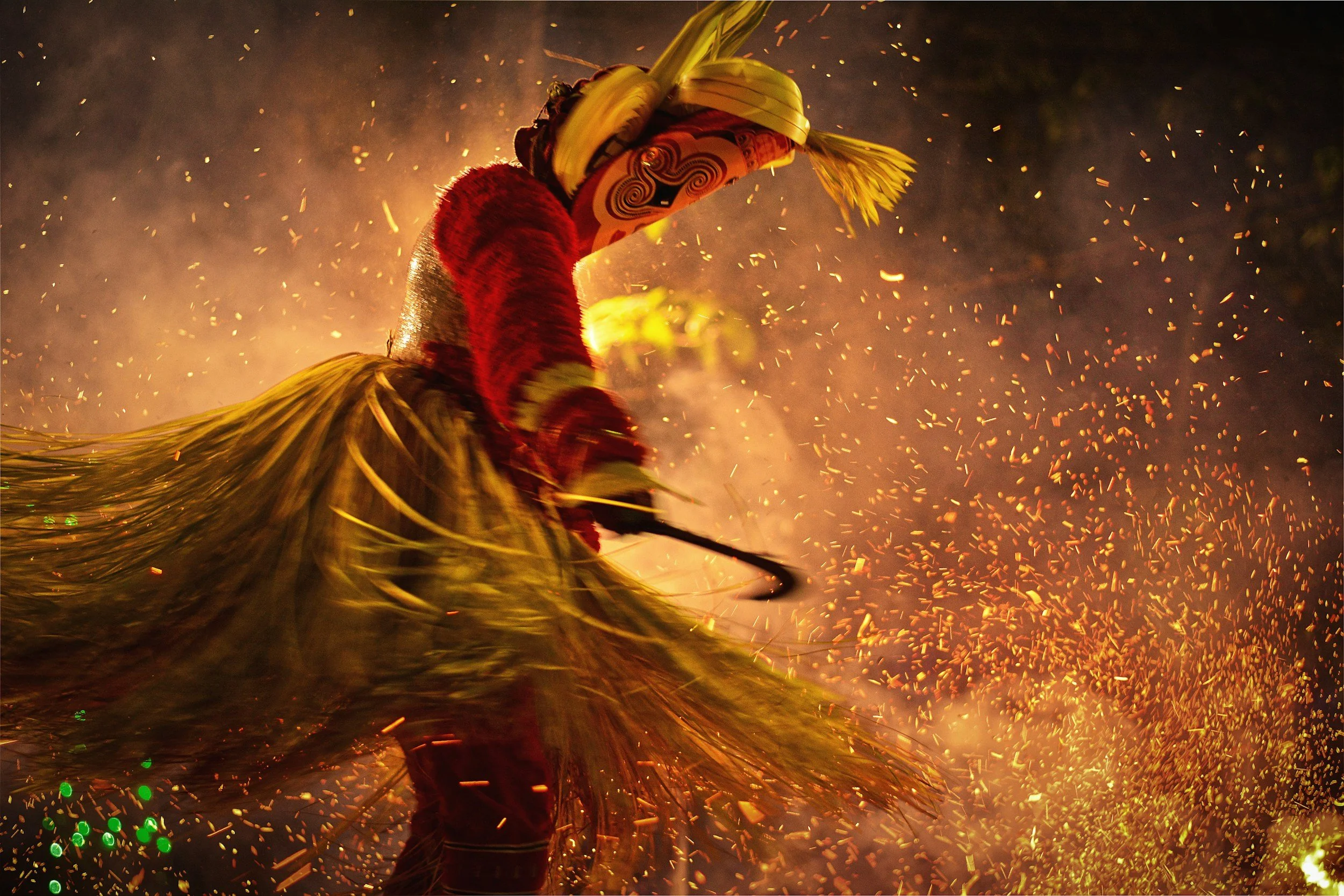
Pain, discomfort, and frustration are distracting—it’s easy to think of ourselves as embodied primarily when something negative happens. That’s also often the time we think the most about being, about the body we live in and what it is to live in it.
When we have problems with it.
There is a pronounced tendency toward bias, particularly negativity, in perception and the way consciousness is narrated. The stories we tell ourselves about what it is to be in a body tend to the negative, to focusing on problems. We do the same when we talk to others, telling stories about what went wrong, what is going wrong, what will go wrong. That bias will not just cause people to over-focus on the negative, it will teach them to only notice the negative, and to associate moments when they consider what it is to be in a body with a problem. Culturally, this is not helped by the tendency of the religions of the book (Christianity, Judaism, Islam) to associate the body with sin, disobedience, danger, or other negative, moral qualities.
I’ve mentioned elsewhere in this series that vodou does not view the body this way. The way many cultures view the body, with their focus on embodiment or incarnation as inherently at least somewhat negative, is seen as unbalanced. Vodou places the body as a part of the soul, as a part of the existence of some entities—not every entity that exists will ever experience incarnation—and as such as an important component in the lessons which the divine gives them, if they have a body. It is a place where an incarnated entity can have unique experiences, a place where they can learn, and a place where they can try things out for themselves. In vodou, a body is not good, nor is it bad.
A body is, in fact, considered a gift in vodou. Treating the fact that you are incarnated as if it is nothing but negative or as if it is inherently a problem is seen as ungrateful. It is a kind of violence you commit against yourself, and an insult to that gift. You might be violent to yourself because that’s how you understand what it is to have a body, but it is still a kind of cruelty to yourself to continue to be violent.
I cannot recommend enough sitting with and observing yourself, observing that tendency toward cruelty with which you punish yourself. Observe it and recognize the idea that you should take no pleasure in yourself, in being embodied, that you should treat everything which feels good with suspicion and distrust.
It’s an idea, not the inherent state of affairs. This is the sort of violence or habit that can be cured, taking back the enormous amount of energy we often learn to put into distrusting our own experience.
A teacher helps, but even if you aren’t one of mine: embodiment is a gift and can be a source of great joy. You do not have to be punished for nor prevented from enjoying being incarnated.