Magic 101: Obedience
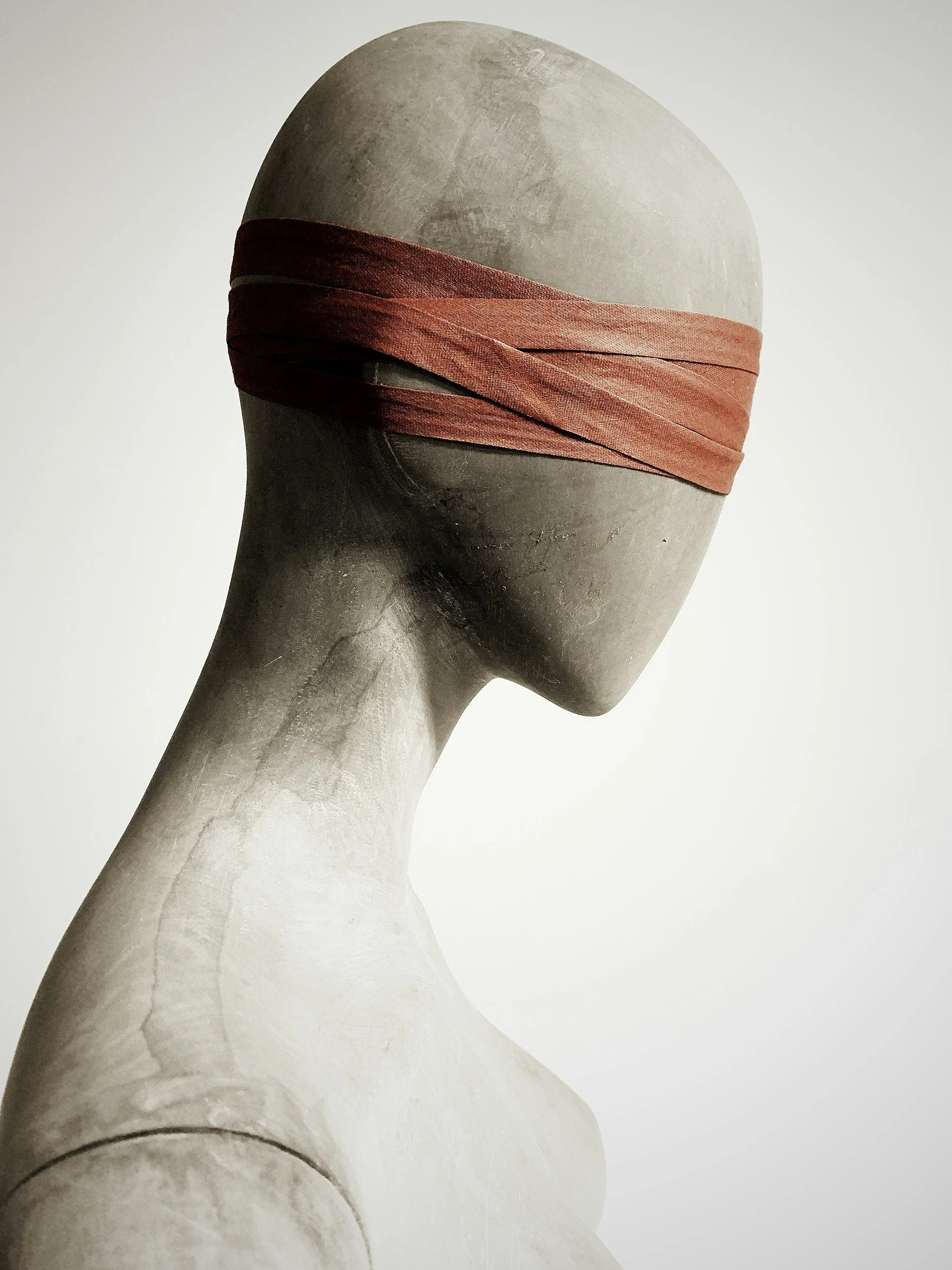
I’d like to quote one of my spirits here: Without obedience, nothing gets done.
Americans like to think of themselves as independent. We like to think of ourselves as critical thinkers, as people whose refusal to obey is meaningful, even inherent to our identity.
Except, of course, when it comes to economic coercion: work or be homeless and hungry. Except, of course, when it comes to physical coercion: no knock warrants, eminent domain, etc. Except, of course, when it comes to religious and political coercion: being an avowed member of a religion of the book is still a factor in getting elected, and has always been a factor in our laws and legal system. Except, of course, when it comes to social ideas about race. Or gender. Or merit.
As long as no one asks explicitly for our obedience, we’re still independent… enough. Independent enough to be comfortable. Independent enough to be a responsible (US) citizen, with our theoretical ability to say no and theoretically meaningful refusal.
Vodou, as a religious and magical system, relies on obedience. It relies on very clear ideas about responsibility and consequence that you are free to disregard at your own peril in the same way that telling someone fire is hot is an instruction that can prevent them from getting burned. You can, of course, touch the fire. But if you’ve been warned it will burn you, you should not expect too much sympathy.
Likewise, if you are warned about the absence of consequences, you should not expect too much sympathy: consequences are a part of an adapting, learning process. If you’ve reached the point where no consequences are being applied, it is often because you’ve made such a habit of ignoring consequence that you’re being allowed to fuck up without help, warning, or any attempt to guide you. That should frighten anyone who understands the point of discipline.
Vodou also relies on the idea that your understanding will change over time. Whatever critical and/or thinking you can manage, it will shift (sometimes radically), via the magical and healing work the spirits give you—assuming you actually do what you’re told, instead of only the parts of the work prescribed you that your current understanding deems “reasonable.”
If you are uninterested in doing what your current understanding deems unreasonable, you should not be surprised when the work you’ve been given does not work or only partially works. Your current understanding is not going to guide you to change, just away from anything meaningful.
Vodou priests can and do demand obedience. They can do so because they, themselves, are obedient. They can do so where the demand lies within their jurisdiction—within the specific work the lwa and the divine have given them, within the specific mandate they have been given, within the rules they have been given. They can do so because they are disciplined by the spirits they serve, and will be disciplined if they mislead, misinform, or cause unnecessary harm to the people they lead.
This is a hard thing for Americans to accept, in part because vodou is an ATR and long demonized as a cult (unlike, say, Christian megachurches…) It’s also hard for Americans to accept because we like the idea of saying no, we think it makes us unique or responsible.
Obedience is, however, the foundation of magic, healing, and elevation in vodou.
But yes, you can always say “no.”