Magic 301: Demons
Taxonomy and classification are a waste of time, so I won’t be listing the various categories of demons. If you’re dealing with them, you have other problems, and the only thing taxonomy and classification can offer you here is the illusion of being in control of the situation.
Once again, it pays to have someone to bail you out, so having a teacher for magic in vodou helps a ton.
Vodou, unlike modern incarnations of the religions of the book (Christianity, Islam, Judaism), does not have an inherently antagonistic relationship to spiritual entities which are not aligned with the divine. In fact, vodou teaches magicians how to communicate with, negotiate with, and get rid of spiritual entities which are not aligned with the divine. Vodou takes a practical approach to dealing with the spiritual world, and treats it as if it is another place you will have to deal with, one way or another, and in the magician’s case, actively.
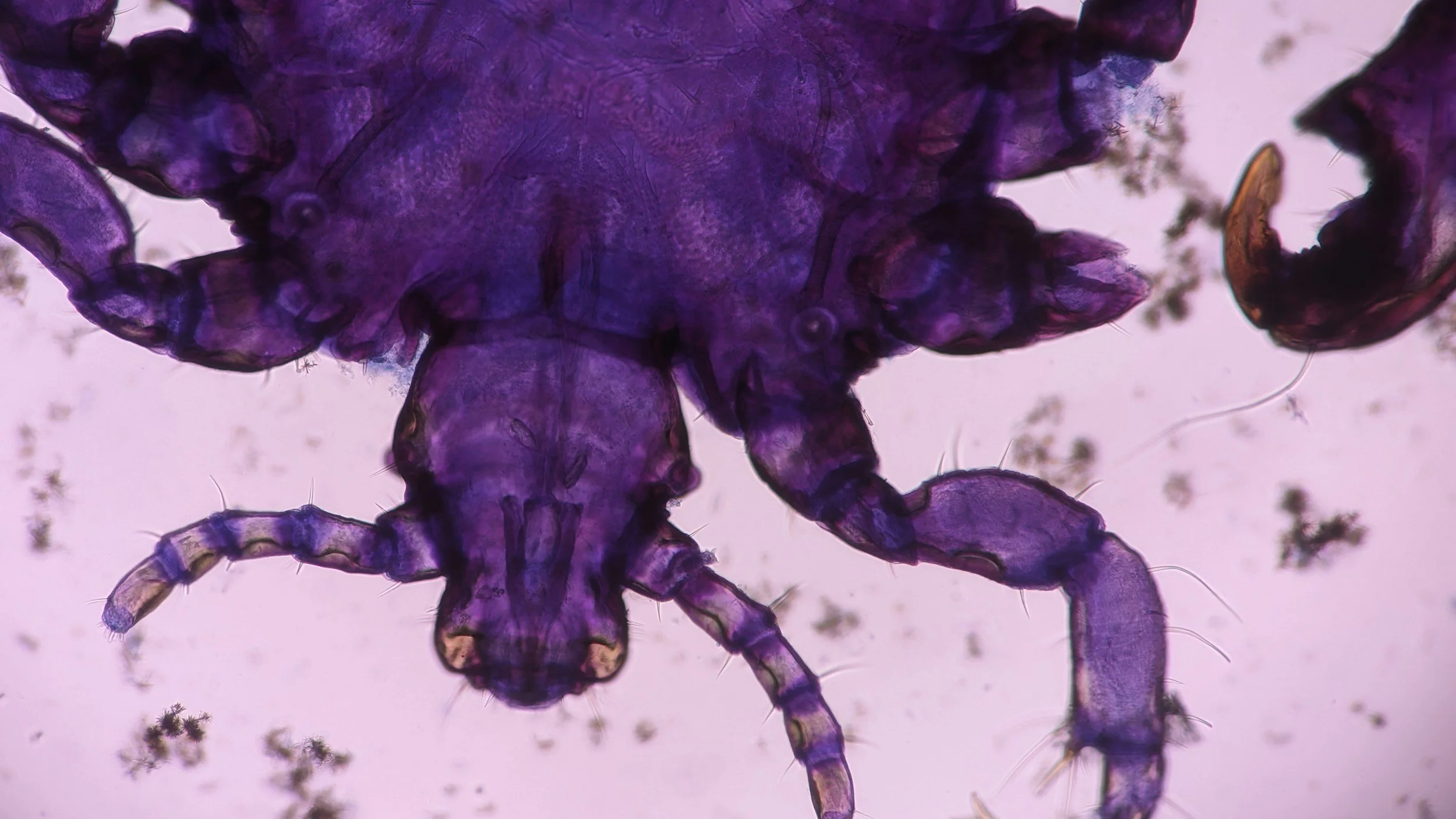
Demons and the unquiet dead are, far and away, the most eager things for contact in the spiritual world. The children of the void, demons, are best characterized by what they lack. The best metaphor for demons is the void. They have a fundamental emptiness which prevents them from any sort of balance or wholeness. This emptiness also prevents them from retaining or producing any energy of their own. They are always hungry. It is not possible to give them enough, nor is it possible to ‘fill’ them. The reason they’re interested in contact is to siphon whatever attention and energy they can out of interactions, and if possible to try and attach themselves to you, to feed off you. Bluntly, they are parasitic and typically not picky about whether or not their parasitism kills the host.
Some of them prefer to drive the host to death, whether by suicidal depression, substance abuse, reckless behavior, or out of control sexual habits.
Their primary method for encouraging dependence involves emotions. Through interaction, whether speaking to a magician or by encouraging the emotion directly, they aim to engender an emotional entanglement. They can pretend to be a loved one, the voice of a lost love, the voice or reason or wise advice, etc—anything which might encourage dependency. Some enjoy fear, and haunt or intimidate their host. For lack of a better way to put it, they have ‘flavors’ of emotion they like to encourage.
Demons can be relied on to say whatever they need to say. They can tell the truth, but it will generally be told in a way that evokes the emotional dependence they want to engender. More often, they will lie in whatever way they believe they can use to get an emotional reaction. These are about the only things you can rely on them to do.
The advice that can be given someone trying to learn magic, especially without a teacher, is that while encounters with demons are inevitable in the spiritual world, their motivations are reliably parasitic. Some are patient, some are impatient, but if you assume or believe they are anything but parasitic, it will only make it easier for them to harm you. They can be known, among other ways, by that manipulation and their constant need for more.
They are very good at manipulating consciousness, emotion, and ideation. A teacher’s job is to help you see where you are being manipulated and to help you develop pest control.