Magic 501: Form and Truth
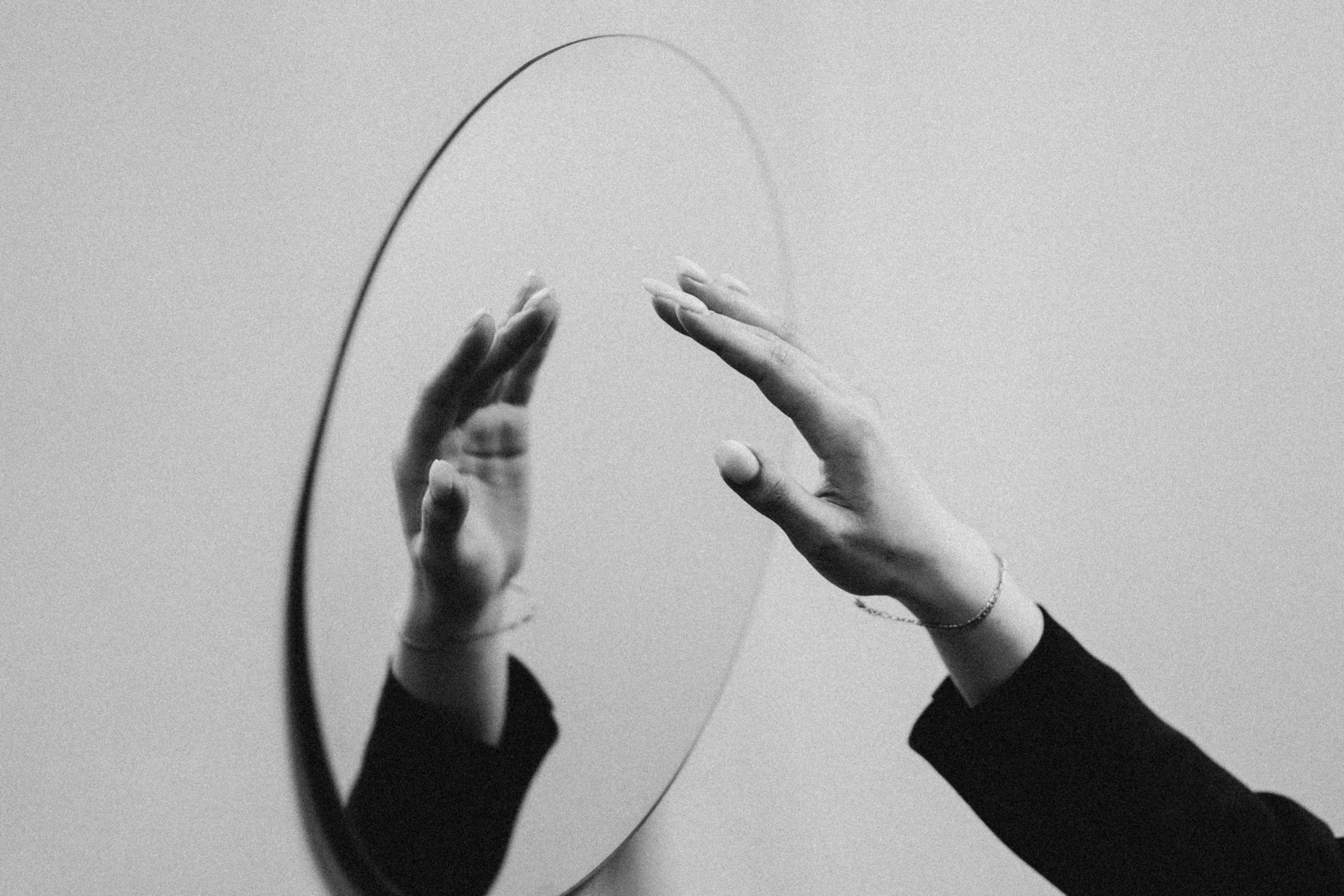
Form is not truth, in the world of spirit. Form is a tool, used as an aid to help you understand or accept something more easily.
We prioritize what we see as a species, in the physical world. We are no less visual in spiritual spaces, where the image we use to represent something is, for us, a kind of reality. If a spirit appears a particular way to us, we take whatever details we see as a statement about the spirit. Race, gender, the clothing worn (or not worn), any details we can see of the affluence of the spirit or the state of their appearance, human or inhuman characteristics: all these things are taken by us as a definitive and stable statement about the nature of that spirit. Freda must wear gold. Ogou must have a machete. Kouzen Zaka must have his bag and wear denim, etc.
We ascribe worlds of meaning to what we can see of form. It comforts us to think that we can see deeply into the truth of something by beholding it.
The flexibility of the spirits allow them to give us these details as a way of verifying them, but it is flexibility. One of the reasons it takes time, training, experience, and spiritual insight to tell what spirit is in possession is because the way a spirit can manifest can be very, very different from horse to horse, from house to house, and from the specific ‘flavor’ of that spirit in possession. Not all manifestations of, say, Danto are the same. Our private visualizations of the spirit are equally flexible. The Freda of one horse may not present like the other, and what we ‘see’ of a spirit may also change over time.
The lwa are ministers of the divine. Their flexibility, mastery of appearance, and ability to project a consistent and acceptable appearance should not be a surprise. They are about the business of their dominions and the business of teaching, and people can be incredibly touchy about appearances. There are many who simply will not listen, not even to a lwa, unless that lwa looks like someone they’d want to listen to. While the lwa can command, it’s a lot easier and more effective to simply look like someone that person would listen to. It builds a better relationship than force might to seem to be what someone needs and perhaps challenge it gently over time.
The merely visual—whether a physical eye or a spiritual vision—will never be a particularly reliable source of truth, in part because of the tendency of people to rely on it to the exclusion of other ways of knowing, but also because the lwa are not the only spirits capable of projecting an appearance based on what the person seeing it might find acceptable. The difference and how to tell has already been discussed in this series fairly extensively: motive, behavior, result, etc.
What something appears to be is not what it is, nor is what you think it is what it is. You may never know what it is, especially by visual cues. But a curated appearance is not inherently deceptive, and does not inherently signal malicious intent.
It merely means what that spirit believes you need to see—and lwa get it right a lot more often than spirits which are not lwa.