Magic 501: The Problem of Permission
I like to listen to academics discuss magic for several reasons, among them to hear how the various artifacts history has left us which concern magic are understood.
Magic can be thought of as ‘braided’ with religion. A grounding in history will tell you that even the religions of the book (Christianity, Islam, Judaism) have a long, checkered history with magic. Similarly, magic and vodou are braided together. One does not have magic as a technology—a set of methods for manipulating the unseen, subtle, or underlying forces of the universe—without some explanation of that universe and the unseen, subtle, or underlying forces that are being manipulated. Where it concerns spiritual and magical understanding of those forces and explanations, there has always been an aspect of inspiration in how religions discuss that understanding. Religions tend to attribute this to god, that is, a master magician and general central figure of causation, who in this context chooses who receives that inspiration. God knows and can do everything or anything which can be done with the technology of magic, and therefore is in a position to choose who else can do and what they can do.
God chooses who will understand accurately and provides the means by which that person will understand accurately. That inspiration generally comes in the form of spiritual intervention, either a spirit sent to lead the person to inspiration or direct divine intervention.
Without that intervention, the same artifact will be understood completely differently. Someone without that inspiration may read the artifact and believe they understand, or find something to be nonsense. Someone with inspiration will find some species of ‘secret’ or hidden meaning. It might not be the whole secret meaning, but they will find some portion of it which they are intended to use.
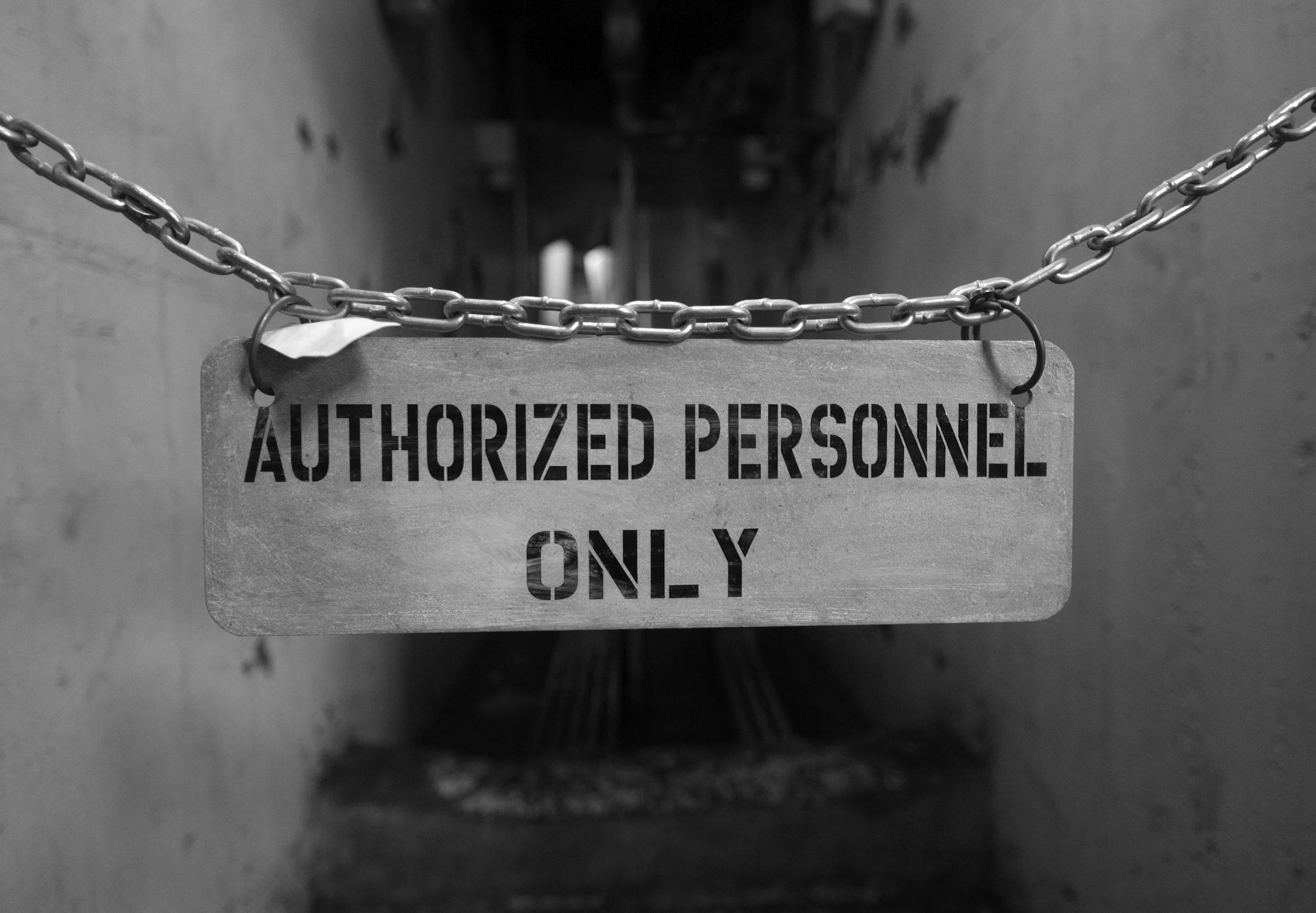
As I listen to academics, I am reminded of the difference between how vodou handles magic or spiritual knowledge and how it is generally seen in the public eye. For us, spiritual knowledge (in addition to being dangerous), is the product of spiritual inspiration. That spiritual inspiration reflects an explicit permission to have and use the knowledge. While sometimes that inspiration is private, the more general permission to use certain kinds of knowledge, especially for serving others, involves a pattern of more public acknowledgement: initiation. It also involves an apprenticeship period and the continuing permissions associated with the spirits—they will have to affirm and ratify, typically in front of your priest or in your priests’ body, your ability to have and use that knowledge.
It’s not that it’s impossible to get your hands on knowledge that you shouldn’t, it’s that using it without that pattern of permissions means that you’re using it without any safeguards or backup. Might ‘work,’ might get you infested by something nasty, might earn you a host of negative consequences, might not work at all. You are taking your chances.
Many of the artifacts time hasn’t managed to destroy yet contain things like magical names or various ways to threaten, cajole, persuade, or command spiritual entities—the magician of ancient Egypt, for instance, might use the name of a famous sage or priest in addition to the names of their gods to threaten a negative spirit and intimidate them into leaving a person they possess. When the academics speak, what I do not hear is an acknowledgement of the idea of divine inspiration or the idea of permission. Often, they discuss what can be found: knowledge is yours if you dig it up, find it, translate it, etc. This reflects the way most people think of occult knowledge, which is that if you can get your hands on it, that’s all you need in order to use it.
Interestingly, all of the religions whose artifacts get used this way, from the Egyptians to the Greeks to any religious tradition you can name, have initiatory, mystery, mystic, or otherwise apprenticeship traditions which were intended to provide what is missing from those artifacts. They might not have all structured knowledge the same way, but they all relied on things which were not documented to provide meaning.
Academics will sometimes bemoan this fact, complaining that the ritual they have evidence of is contradictory or incomplete.
I want to ask a question, when someone says they should be able to experiment or that they have a right to know: do you know that what you call on will listen to you? Do you know that who you call on wishes to be called on, or called on by you?
Permission matters, even for the very long dead, and there is no ‘democracy’—that is, basic sameness of being and any right to know or do—in the spiritual world.
If you don’t have the answer to those questions, you’d better hope you don’t reach what you call.