Magic 601: Patterns and Demons
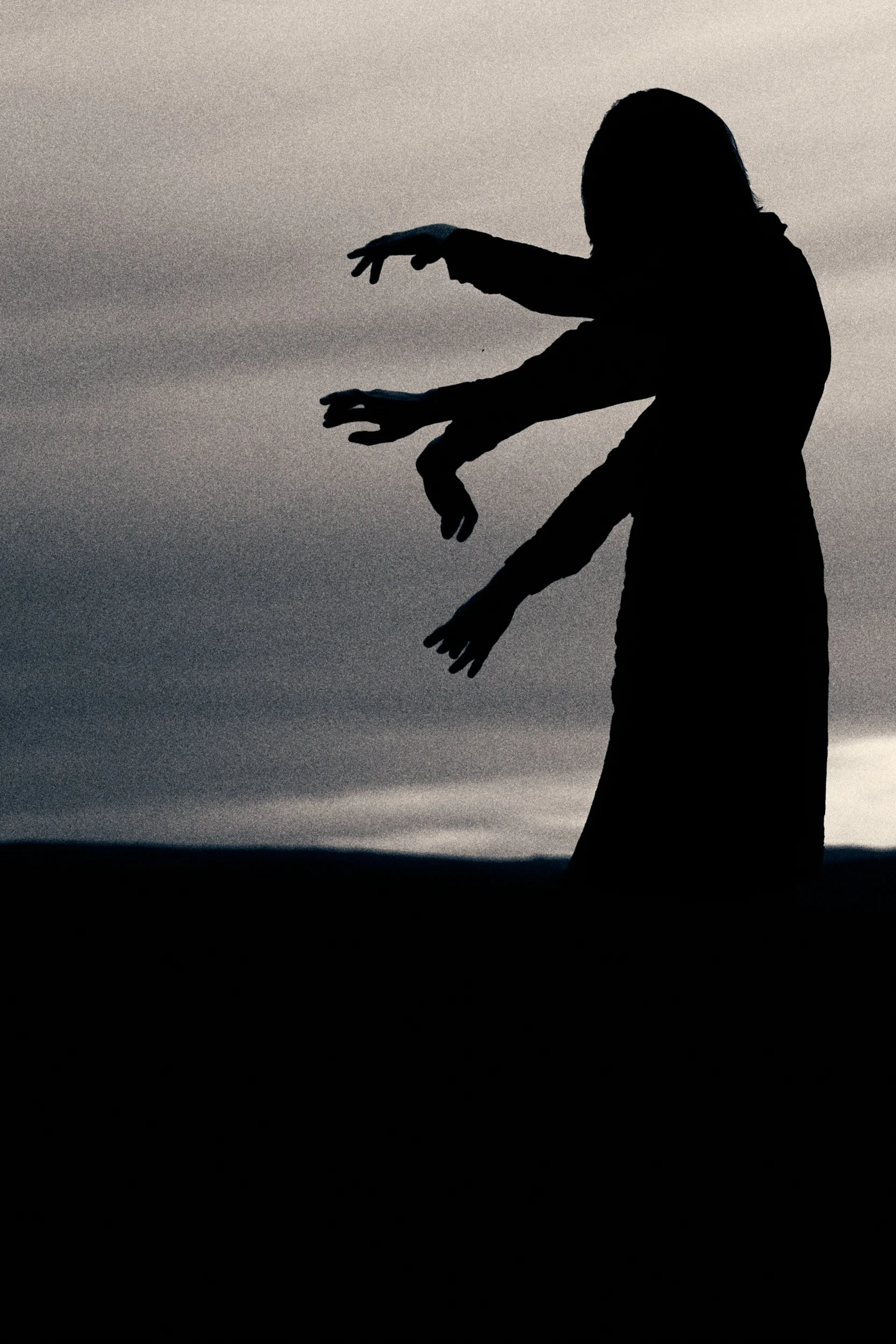
When we talk about patterns in people’s behavior, it is rarely positive. We comment on their propensity for abusive relationships, their inability to get promoted, their self-sabotage, etc—every time, with the context of responsibility and blame. They were insufficient. They chose wrong. They are flawed.
Vodou has a very specific view of responsibility and blame: you can only be truly responsible if you have free will. Almost no one has free will, so the question of blame is pretty pointless. Someone who cannot change their ways or make decisions independently is in no position to be responsible. However, if there is no blame, there are also no victims. There’s just whatever situation you’re in, and whether or not you can get out of it.
Demons are, fundamentally, ego’s children. They are the embodiment of imbalance, but more than that, they are what could have been but never made it into the physical world—or to put it another way, they are the embodiment or expression of the delusions which ego promotes. Those delusions tend to result in the patterns we recognize as problems by their effect on people’s lives. The personalities they express are the echoes of the imbalance they have created in others, absorbed as they attach themselves to others. The advice they give promotes delusion, promotes the what-ifs, the daydreams, the misunderstandings, flattery, insult, and every sort of layer between the person and reality: everything that could have been, but is not, did not, could not, and will not.
Even their drive to own and consume is itself delusion, the delusion that they are separate from what they attempt to consume, and the delusion that they can be sustained by ownership and consumption. Demons cannot escape what they seek to escape, change. And truly, they cannot even put it off: they will, inevitably, be reunited with the divine, changing their entire existence until what they were is incomprehensible.
Demons are incredibly common. The question is not whether someone is living with a demon, it’s what delusions the person is participating in with those demons. In bondye’s reality, demons serve an important purpose as part of the oppositional elements which help people learn via challenge. Intervening in someone’s life to remove that particular demon is not done lightly, and requires knowledge of whether that person is able to meet the challenge presented by that demon without intervention: does removing that demon help or hinder them learning what they need to learn in this life?
This care when intervening is not due to a lack of compassion, it is due to the knowledge that the world is a classroom, and that all lessons are presented as they can be presented to the person. It is far kinder to get a lesson over with than it is to prolong it. Far less painful, far less agonizing.
A demon is not more powerful than a lwa, nor is it always more powerful than a person. What it is, is a teacher who does not mean to teach. A demon is a teacher whose intention is not to help.
Not every priest or spiritual worker will deal with demons. Of those of us who do, we are not always free to take the challenge from you.