Vodou 501: Divine Imperfection
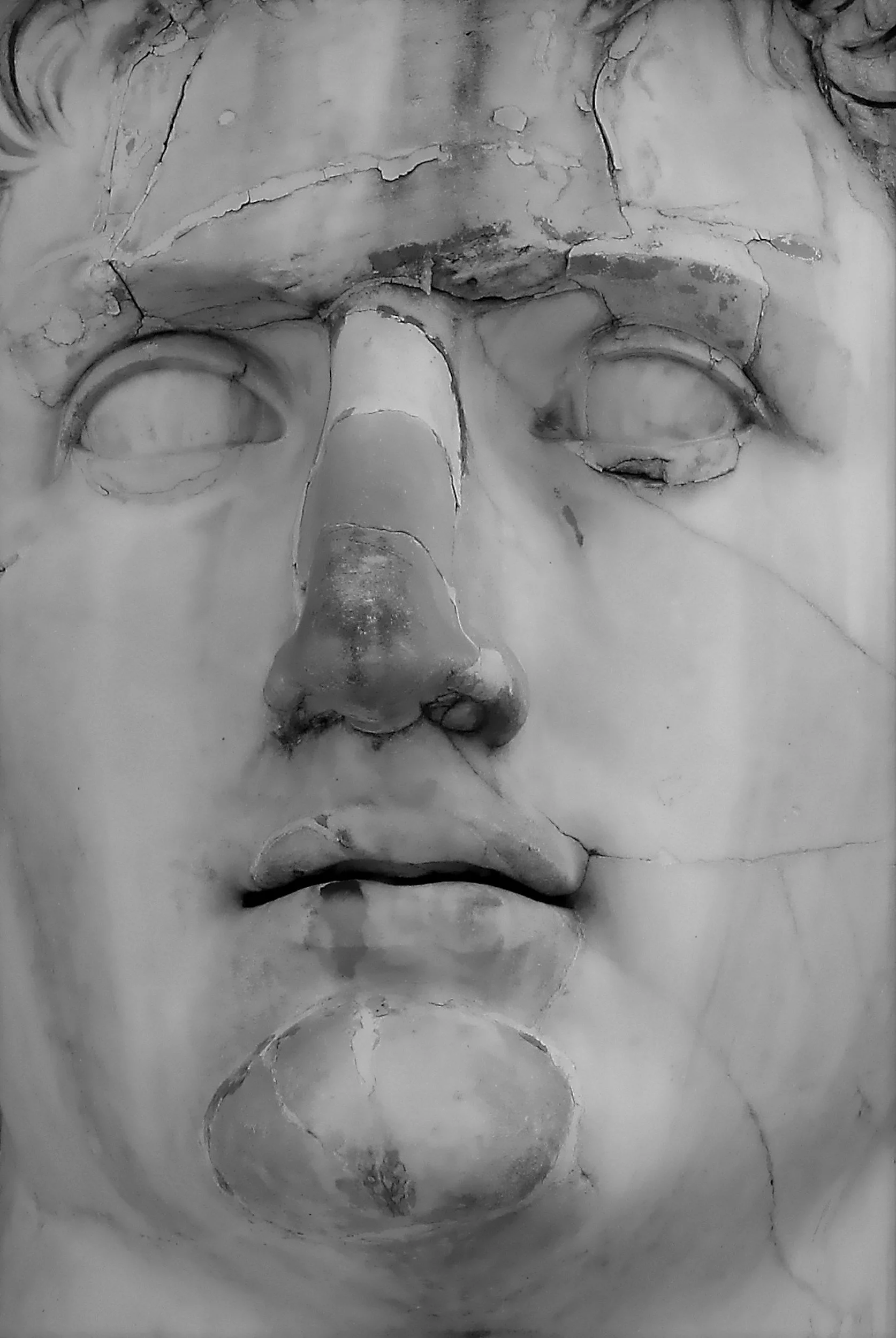
The presence of the lwa is characterized by a few things that, coming out of the religions of the book and the state of US society, which can seem paradoxical. There is no denying their presence—it can be felt in a way that is like nothing else—but their actions can seem oddly human.
Anaisa may, for instance, berate someone for their poor hygiene and lack of self care, calling them names or naming their faults as she spits with rage at their ingratitude for their own life. Freda may be in two heads, side-by-side, one softly weeping and the other dryly commenting on someone else’s refusal to be in a romantic relationship. Another spirit might come in and address the society’s women, giving them criteria for being able to tell if their date is worth fucking in language that the poor translator struggles to sanitize.
I choked on my spit trying not to laugh at that advice. I was getting a free translation of what the translator was trying not to say, courtesy of the spirit speaking, in two languages I am still not fluent in. It was incredibly lewd.
No matter how human the behavior, the hairs stand up on the bodies of those who can feel energies. The lwa speak with clarity, authority which cannot be doubted, and even without the various implausible or dangerous things they tend to do to their horse to demonstrate their divinity, their presence can and does clearly demonstrate an otherness which has no description other than that it is exactly what it is. They make themselves felt.
There is a thing that happens to people indoctrinated in the religions of the book and the societies which they dominate. Our god needs to be remote. Perfect. Unimpeachable. Removed from anything we would consider to be human behavior. Our god cannot be argued with, approached—we must obey the laws of a male god. We must beg, plead, cry out, rely on Jesus or Mary or angels or some other spirit to intercede for us with something that is profoundly removed from our experience.
Anything less that this cannot be god: god cannot come and make lewd jokes or give advice on choosing someone to have sex with. God has no reason to be enraged at someone’s inability to bathe often enough. God cannot come and inhabit the body of a horse, medium, or saint. At best, the person might experience a visitation of something lesser.
Sitting and watching a lwa at a spiritual party/vodou fete begs a question. They are divine in nature, which literally changes the dynamics and energy of the party when it’s not doing things which violate physical laws—the horse dancing or sitting in a bonfire without being burnt, drinking gasoline without ill effect, bending and breaking machetes with bare hands and without being cut, etc. That divinity comes and dances or gives advice, smokes cigars or cigarettes, drinks rum or wine, makes crude jokes or gives prophecy.
Is it divinity? What did we witness?
The consciousness is not terribly comforted by the implications and does what it does: give the lwa their own strange category and dismiss it without thinking too hard about the whole, alien experience. It’s just something weird that happens, to be categorized as ‘other.’
The implications are staggering for people who expect their experience of the divine to be the sound of their own prayers and, at best, a nebulous sense of comfort. Divinity is not remote at a party/fete. Divinity shows up and swears. Divinity demonstrates unnatural knowledge of your life, uses smoke and iron and rum to cure illness or injury. Divinity does things in human bodies that will get someone hurt.
Divinity does not show up and demonstrate the remote perfection that we expect from what we have been taught about god.
It is confounding. If we resist the urge to simply categorize it is “weird” and refuse to think of it or to reject it as evil because it is so alien, we are left with several conclusions: the first is that there is something wrong with our idea of perfection, with the urge to isolate divinity from the experience of our existence. No matter what we might want to think, here is something divine doing things we cannot associate with god. And yet, the experience might be frightening but it leads and keeps leading to healing. People just keep getting physical healing, or instructions on how to fix their problems, as the spirit in question does things that other religions consider to be either sin or shameful excess, from draining a bottle of rum to smoking huge cigars to giving instructions on better sex lives or how to deal with problem coworkers. That divinity continues to be divine whether or not we approve of it—and to be clear, your approval does not matter in the slightest though they might comment on it while they’re looking at you.
The second is that if we believe divinity does not interact with what it is to be human so intimately that divinity can inhabit a body, we have underestimated divinity. Without arguing from definition, which is pointless, it is difficult to call something divine which cannot interact directly with the physical components of the world it created/inhabits/maintains/etc. In vodou, we tell people god is the all. Because of indoctrination, people tend to just quietly categorize that “all” as being something better than humanity, or that their experience of being human is somehow nebulously in there somewhere. Not important, just sort of generally included as a kind of minority component while still being wretchedly inadequate, deceptive, and largely pointless.
Will you tell an angry lwa in a horse they ought to be celestially calm? Anger is very much a part of the human experience, as is any number of other emotions. Will you insist on the spirit being gender or sex neutral with a lwa giving advice on romantic relationships? Joy in sexuality is a part of the human experience, as are any number of other experiences that, with a conception of the divine which is remote and removed from humanity, seen as ‘beneath’ the attention of divinity.
The third is that there is something in the experience of humanity that is, through some mechanism, able to be a direct and even important part of divinity. It is because of this conclusion that the lwa can have human characteristics—can be angry, or sad, or give advice on work and relationships. The experience of being human is, in vodou, a path toward divinity. This path has other features, namely the lessons given by the divine and the helpers which can help integrate and inspire people, but the experience of being human is not separate from divinity. It is a road, at which divinity is the end.
This is the conclusion that gives people the most trouble, coming out of the indoctrination that the religions of the book tend to have on societies. Many of the religions of the book have divinity as a kind of nebulous end goal: reaching heaven, for instance, and therefore being close to divinity. Becoming a saint and thus something like a minor divinity, etc. Vodou has a more direct conception of the divine, making one’s lives a long process of being refined until we can reach a state where we recognize our oneness with that all and thus the divinity inherent in our nature as humanity.
If the lwa seem human, it is at least partially that there is something human in them, whether that is the influence of the horse—which does influence but does not dictate that presence—or whether it is something more. The line between lwa and horse is blurry, and gets blurrier on the horse’s development (that is, their successful completion of spiritual lessons over the course of lives.) Their humanity is not excluded from the expression of the lwa, nor are the experiences rising from it excluded from the reach and concern of divinity.
It is the underpinning reach of divinity which makes the various ‘imperfections’ we identify with being human irrelevant. The title of the entry is “divine imperfection.” It could also be “the pointlessness of divine perfection.” There is no particular use in vodou for a divine which is utterly removed from humanity and its imperfections.
We do not see a sterile and inhuman perfection, when we contemplate god.