Magic 401: Special People
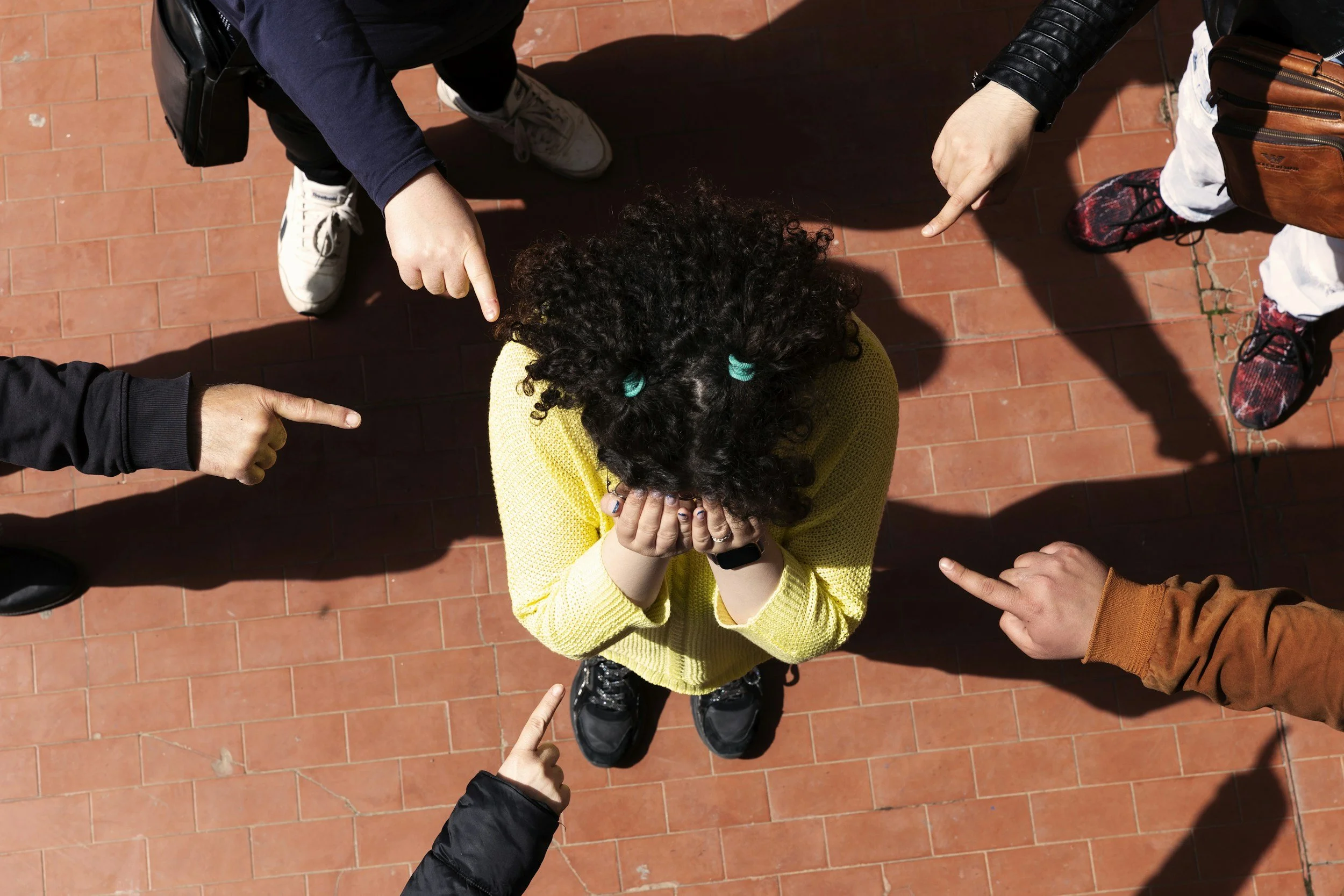
People often want things that are harmful to them, many times because they think it will comfort them to have it. Sometimes, what they want is not just poison to them, it’s poison to the groups around them.
A vodou society is, fundamentally, a healing space. It contains a group of people who share the ability to best benefit from that particular arrangement of priest/s and vodou itself, since being in this path requires the affirmation of the divine and lwa. But by definition, it contains people who are not enlightened, not elevated, not healed. It contains people who are under the unique pressure that the spirits can bring to bear on people to encourage healing, elevation, and growth. A vodou society is a kind of pressure cooker, where people grapple directly with their own issues and are unable to quite get away from them.
People, being the creative types they are, will consistently try to figure out how to game a situation so that they don’t have to do what they find uncomfortable. The dynamics of a vodou society are no exception, and vodouizan will (until it gets corrected out of them) look for a way to arrange the society so that they don’t have to quite as much growing, healing, or changing as they might actually be intended to do.
One of the more common ways vodouizan try to get out of the work they need to do is to try and get ‘close’ to their priest, taking the dynamic of teacher and student, or parent and child, and trying to organize themselves into an in-group and out-group. The ‘real’ students, the ‘real’ children, the ‘real’ initiates, the special or chosen ones in the group. Not only will they try to organize themselves into in and out groups as social peers of their priests, they will also try to enforce that social hierarchy against other initiates: treating some initiates as if they are not real vodouizans or children.
Catty, nasty, gossiping, threats, intimidation, minor thefts, etc—anything they have to do that is not quite obvious enough to be publicly reproached by the lwa, but will still discouraging to the people they feel they can pick on. They will pick on anyone they think is ‘lesser’ in much the same way that children organize social hierarchies, for the same reasons: to make themselves feel special, to offset the discomfort of whatever spiritual work they need to do or are procrastinating.
It’s a lot easier to pick on someone else.
This dynamic is obviously an attempt to not do the various personal work that those initiates need to do, an attempt to control the priest while pretending to be the only people who really ‘care’ about that priest/s. They will also attempt to gate keep the priest, controlling which initiates are allowed to know or be close to the priest/s according to membership in their group.
The underlying ideas which can make people likely to fall into this dynamic are damaging to the whole of the society: the idea that some people are more loved by the spirits and priest than others. The idea that a child can tell who is loved by looking. The idea that there’s a known but unarticulated lie in the society, that some people only think they’re a part of the society or that there’s some sort of special knowledge to tell children that their status in the society is real or fake.
That idea in particular should make people uncomfortable: if your initiator makes ‘real’ and ‘fake’ initiates, you should have questions about your own initiation and what it means. From time to time in the ATR spaces online, discussions of people being given a fake initiation based on their ethnicity or nationality crops up. If your initiator only gives a real initiation to the people they like, you should seek a different house, because the lwa are not running that house.
Your priests’ likes or dislikes have nothing to do with the responsibility the spirits demand from a person (initiation.)
Priests who participate in this dynamic demonstrate where they are unhealed and unelevated. Children merely demonstrate that they are children via their participation, critically or uncritically. They don’t have to understand or be able to articulate the dynamic to demonstrate their immaturity.
Vodou societies where this dynamic flourishes are still healing spaces, but they are healing spaces where the wounds in the priests are remade on the children. They will remain wounded until that dynamic and the poisonous ideas underneath it have been exposed and expelled.
That process of expulsion is not typically greeted with happiness by the initiates who think of themselves as the ‘real’ initiates. To them, it feels as if they have lost their society altogether.