Sovereignty and Vodou
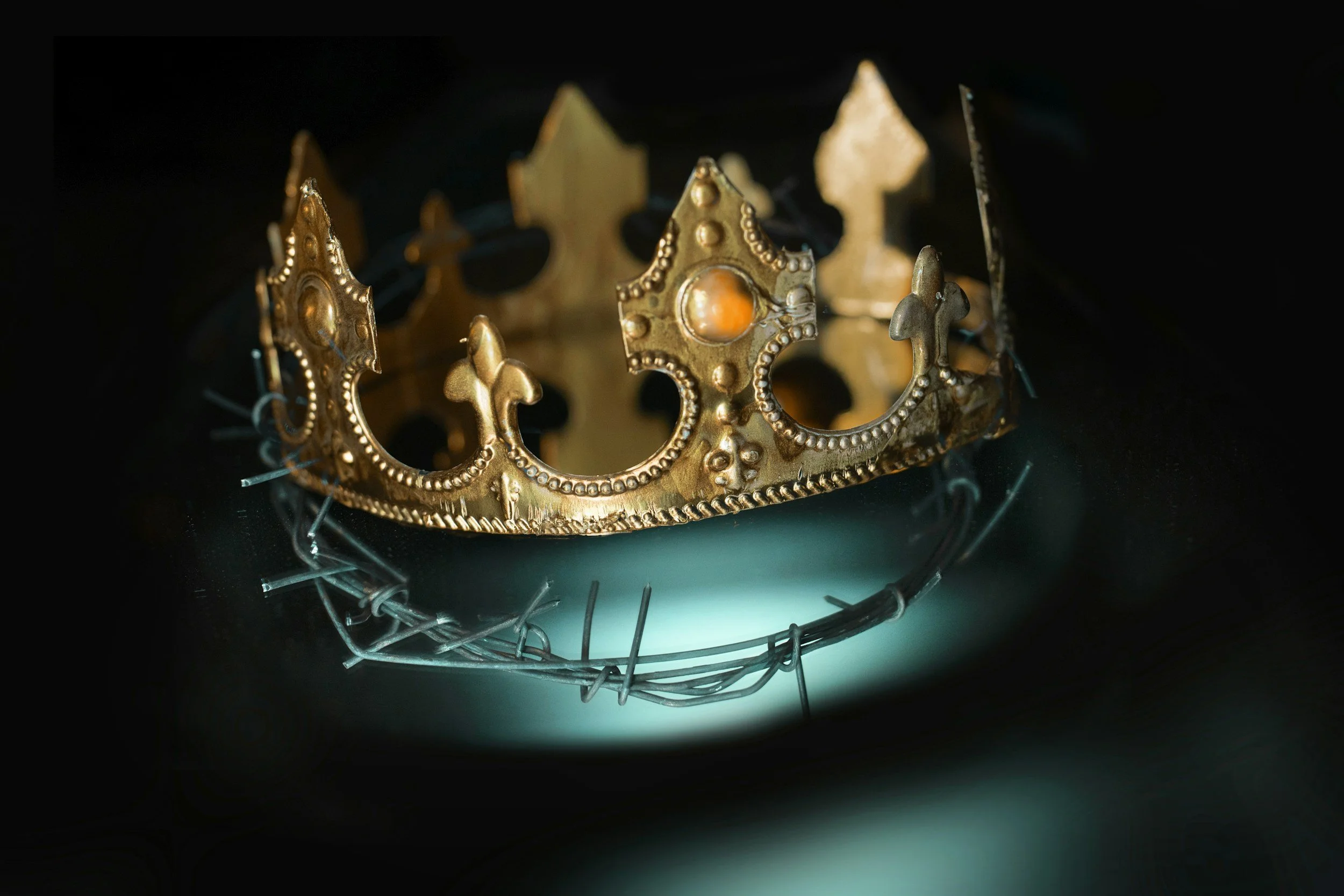
There is a beautiful post on the Facebook group Vodouizan Worldwide on the topic of authority and sovereignty in vodou versus the various imperialistic regimes which have attempted to suppress it.
I actually cried a little when I read the post. One of the most frustrating and consistent misunderstandings people have about vodou comes from the fact that they’re trying to apply the same imperialistic demand for a single, central authority and that particular style of legacy. The one true vodou, the one true vodou priest, the one true aesthetic or visual cue for the one true vodou priest, the special and secret unbroken lineage (by which they mean a single family or bloodline), etc.
Vodou is a religion of creoles, and I am one as a Cajun, of people who are many things and have no place in that system which demands uniformity. The authority or sovereignty vodou coveys has to do with not purity, but the capacity to hold things together when they are composed of many disparate components under conditions designed to rip them apart. Many of the priests I’ve encountered are not a ‘pure’ anything. They are almost uniformly the people who an imperialistic system has no use for, since they aren’t the right, the pure ‘type.’ I’ve yet to meet anyone in a vodou temple/society/etc who is the sort of person an imperialist system has any use for.
Imperialism demands purity. It demands paper records, ancient lineages, an aesthetic and a source of authority that is never questionable because it demonstrates in clear, visual cues, its own perfection. It requires a system which demands an end to questions, a rule which cannot be broken, and an authority which has clean lines. The post points out the tie of imperialistic to land ownership. Imperialism demands ownership, hierarchy, and stratification.
It breaks my heart to read people’s comments on vodou, their attempts to locate the one true real vodou and one true vodou priest. God, it breaks my heart.
In vodou, you do not need to be pure. Or clean. Or justified by visual cues of perfection. You do not have to be any particular ethnicity, race, creed, nationality—-all the categories and stratification which imperialism demands. In fact, it’s better for you if you aren’t the right sort to be justified that way in an imperialistic society, so you are motivated to notice that those categories have nothing to do with the presence of the spirit. You will be in a position to recognize how poorly those categories describe you.
Vodou is messy, constantly adapting to environment and situation. The authority of a priest is in their house and ends with the people they serve. It leaves no (paper) records, no legacy as an imperialistic society can see it. A priest can look like nearly anything, and there is no governing body to speak for all priests and make dealing with vodou easier.
Sovereignty in vodou is, as the article suggests, what the spirits recognize. It is always conditional, situational, and bounded. If you’re looking for it from the outside, it does have a distinguishing characteristic: the ‘royalty’ of vodou are the people who hold the society together, the responsible parties.
Our kings and queens work in vodou.